Professional Fascia Replacement: Understanding the Process and Benefits
Fascia is an often-overlooked element of your home's exterior, yet it plays an important function in safeguarding the structural stability of your property. The fascia board, usually located at the edge of the roofline, serves several purposes: it functions as a barrier against weather aspects, offers a finished want to the roofline, and provides an installing point for rain gutters. With time, factors such as weather, wood rot, or insect damage can necessitate professional fascia replacement. This short article offers insights into the fascia replacement process, its advantages, and what homeowners should understand before carrying out such a task.
What is Fascia?
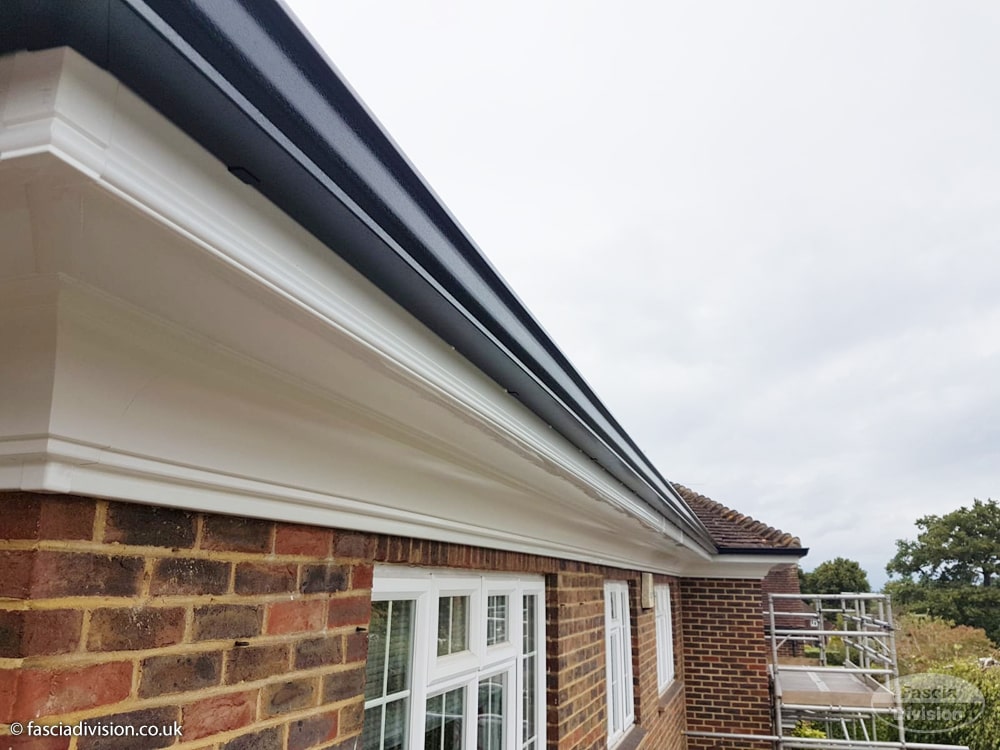
Fascia refers to the flat board that runs horizontally along the lower edge of a roofing. Made from numerous products-- wood, vinyl, aluminum, or composite-- it serves considerable visual and functional roles. Not just does it add to the total look of a home, however it likewise helps protect the rafters and offers a protected base for gutters. Due to its direct exposure to the elements, fascia is vulnerable to use and harm over time.
Signs That You Need to Replace Your Fascia
Identifying the need for fascia replacement early can save homeowners considerable tension and expense. Here are some typical signs suggesting it may be time for a replacement:
- Visible Damage: Cracks, holes, or rot in the fascia can compromise structural integrity.
- Peeling Paint or Stain: Flaking paint may indicate moisture concerns and possible wood rot.
- Water Damage: Signs of water pooling or leaking in attics might recommend jeopardized fascia or gutters.
- Insect Infestation: Insects like termites and carpenter ants might invade broken fascia.
- Gutter Problems: Sagging or detached seamless gutters might indicate that the fascia has actually deteriorated.
Understanding how to identify these indications can assist property owners maintain the health of their home's outside.
The Fascia Replacement Process
As soon as a decision has been made to replace the fascia, it is essential to understand the actions involved in the procedure. Working with a professional for fascia replacement makes sure the job is done correctly the very first time. Here's a general summary of the actions included:
Step 1: Initial Assessment
A professional will carry out an extensive examination of the fascia, together with the seamless gutters and roofing system, to evaluate the level of the damage. This assessment assists figure out whether just the fascia requires replacing or if other repairs are essential.
Step 2: Removal of Old Fascia
The next step includes securely eliminating the damaged fascia board. Experts will typically utilize specialized tools to remove old materials without damaging the surrounding structures.
Action 3: Repair Underlying Issues
Prior to installing brand-new fascia, any underlying issues-- such as rot or insect damage-- should be dealt with. This may involve fixing rafters or the roofing deck.
Step 4: Installation of New Fascia
With the underlying concerns solved, the new fascia board can be installed. Selecting an appropriate product (wood, vinyl, aluminum, etc) based on climate and visual preference is vital during this action.
Step 5: Finishing Touches
Once the fascia is in location, professionals will end up the edges and ensure that any associated components, such as gutters, are correctly set up or changed. Appropriate sealing and painting are also important to ensure longevity and prevent wetness damage.
Advantages of Professional Fascia Replacement
Engaging a professional for fascia replacement provides numerous advantages:
- Safety: Working at heights presents risks; professional contractors have precaution in location.
- Quality Workmanship: Professionals guarantee that the task is done correctly, offering comfort.
- Service warranty: Many specialists offer warranties on their craftsmanship, protecting the house owner.
- Access to Quality Materials: Contractors frequently have access to premium materials at competitive costs.
Table 1: Material Comparison for Fascia
| Material | Expense | Sturdiness | Maintenance | Aesthetic Appeal |
|---|---|---|---|---|
| Wood | Moderate | 10-20 years | High | Timeless |
| Vinyl | Low | 20+ years | Low | Flexible |
| Aluminum | Moderate | 30+ years | Low | Modern |
| Composite | High | 25-50 years | Moderate | Rustic |
Often Asked Questions (FAQs)
1. Just how much does fascia replacement typically cost?
The expense of fascia replacement varies substantially based on product option and labor expenses. Property owners can anticipate to pay between ₤ 1,500 and ₤ 6,000, depending upon the roof size and problem of the project.
2. Can I change the fascia myself?
While it is possible, it is generally recommended to employ specialists. The replacement procedure involves operating at heights and making sure the appropriate sealing and alignment, which can be challenging for those without experience.
3. How often should fascia be examined or changed?
Homeowners must check fascia a minimum of as soon as a year, particularly after heavy storms. Replacing fascia every 20 years or when substantial damage is noted is suggested.
4. What are the most popular materials for fascia replacement?
Common products consist of wood, vinyl, aluminum, and composite. The choice depends on budget plan, wanted visual, and weather conditions.
5. Does fascia replacement affect my home insurance coverage?
Usually, significant repairs like fascia replacement might impact premiums. It is recommended to alert your insurer post-repair and discuss coverage.
Understanding professional fascia replacement is crucial for house owners looking to keep their home's visual and structural stability. By recognizing the indications of fascia damage and employing certified professionals, homeowners can prevent small issues from escalating into expensive repairs. Investing in quality fascia replacement not only enhances the home's appearance however also provides long-term defense versus the elements.