The Ethical and Practical Implications of Purchasing IELTS Scores
The International English Language Testing System (IELTS) is an internationally recognized English proficiency exam that is crucial for individuals seeking to study, work, or move to English-speaking countries. The test examines a prospect's capability in listening, reading, composing, and speaking, and is developed to make sure that they can communicate effectively in academic, professional, and social contexts. However, the pressure to achieve a high score can in some cases lead individuals to think about unethical practices, such as purchasing IELTS scores. This article checks out the ethical and useful ramifications of buying IELTS ratings, the risks included, and the value of keeping the integrity of the testing procedure.
Comprehending the IELTS Exam
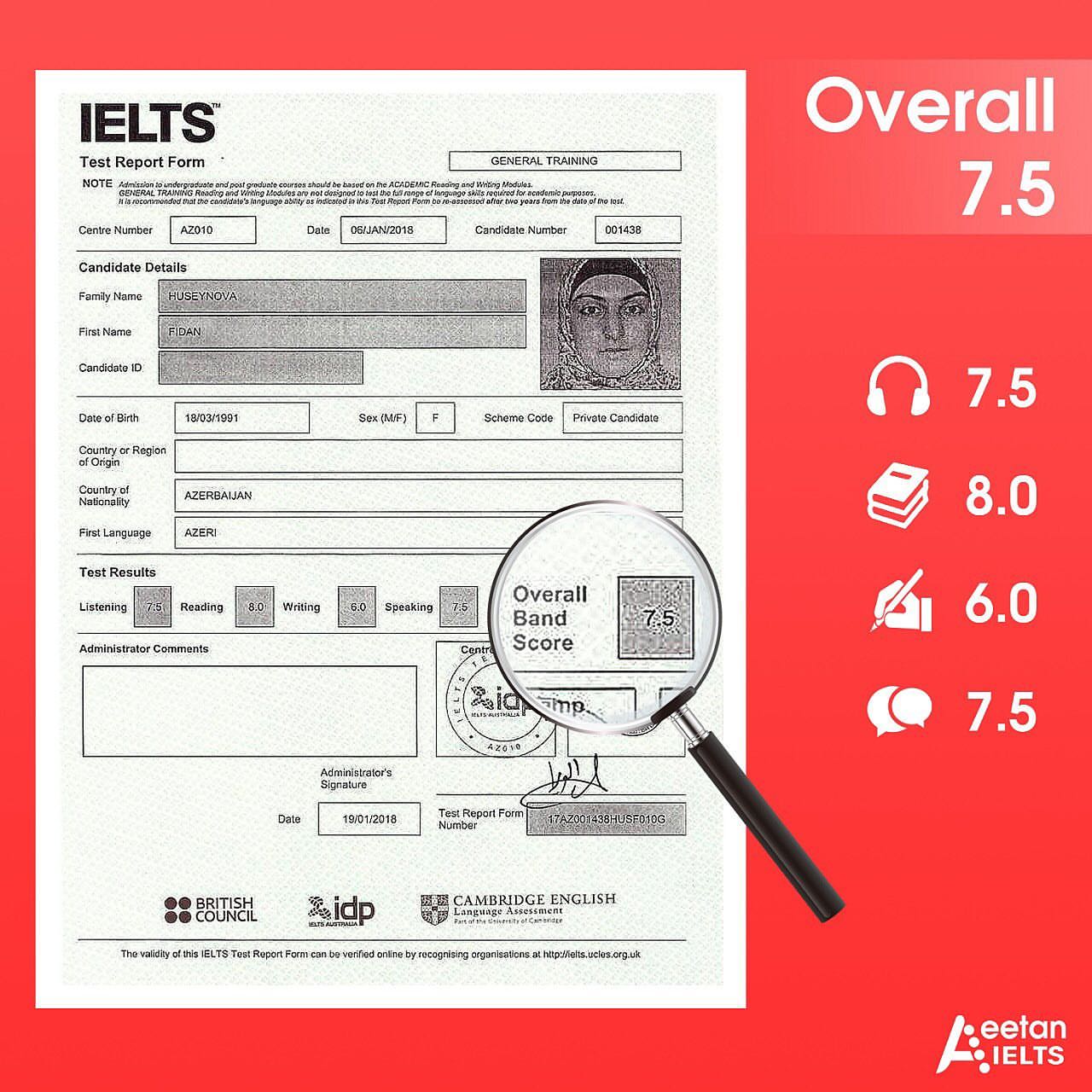
The IELTS exam is collectively managed by the British Council, IDP: IELTS Australia, and Cambridge Assessment English. It is available in two formats: Academic and General Training. The Academic format is usually required for greater education and professional registration, while the General Training format is used for work experience and migration functions. The test includes four areas: Listening, Reading, Writing, and Speaking, each scored on a scale from 0 to 9. The general score is the average of the four section ratings, and it is this general score that is typically a deciding element in numerous academic and immigration applications.
The Appeal of Purchasing IELTS Scores
For lots of candidates, the IELTS exam can be a significant obstacle. The test requires a strong command of the English language, and preparation can be lengthy and difficult. Some people may feel that they do not have the essential skills to accomplish the required score, leading them to check out alternative options. Sites and online forums often promote services that claim to offer high IELTS scores for a fee. The appeal of such services is understandable however laden with threats and ethical concerns.
Ethical Considerations
Fairness and Integrity
- Fairness: Buying IELTS scores undermines the fairness of the assessment process. Legitimate candidates who have actually striven to enhance their English abilities are at a disadvantage when others can purchase their method to success.
- Integrity: The integrity of the IELTS exam is crucial for its trustworthiness. If scores are made, it can cause a loss of rely on the exam by institutions, employers, and migration authorities.
Consequences for Individuals
- Legal Ramifications: Purchasing or supplying fake IELTS ratings is prohibited and can result in extreme legal consequences, consisting of fines and imprisonment.
- Track record: A person's track record can be irreparably harmed if they are captured purchasing a score. This can affect future academic and expert chances.
Practical Risks
Detection and Disqualification
- Biometric Verification: IELTS testing centers utilize biometric confirmation, including fingerprinting and facial acknowledgment, to guarantee that the prospect taking the test is the same individual who registered.
- Score Verification: Many institutions and migration authorities confirm IELTS scores with the test providers. Any discrepancy can lead to disqualification and possible legal action.
Financial Loss
- Scams: There are various rip-offs in the market, and people may lose a significant amount of cash without getting any real advantage.
- Non-Refundable Fees: Even if the score is fake, the costs paid to the service supplier are often non-refundable, leaving the candidate without any recourse.
Academic and Professional Misfit
- Language Proficiency: The IELTS score is a step of language proficiency, and a fake score can cause a person being put in an academic or professional environment where they are unable to interact effectively.
- Tension and Failure: Lack of genuine language abilities can lead to poor efficiency in academic courses, failure in job interviews, or problem in social interactions, resulting in high tension and potential failure.
Why the Integrity of IELTS Matters
Educational Standards
- Quality of Education: Universities and universities depend on IELTS scores to ensure that trainees have the necessary language skills to be successful in their programs. Fake scores can cause trainees having a hard time to maintain, affecting the general quality of education.
- Peer Interaction: Effective interaction is vital for peer interaction and partnership. Students with fake ratings may discover it difficult to participate in group activities and conversations.
Work and Migration
- Professional Performance: Employers use IELTS ratings to evaluate the language skills of possible staff members. A fake score can result in bad task performance and may lead to termination.
- Migration Requirements: Many nations need a minimum IELTS score for immigration. Offering a fake score can lead to visa rejection or cancellation, causing considerable individual and financial consequences.
Global Trust
- International Recognition: The IELTS exam is acknowledged by over 10,000 companies worldwide. Keeping its stability is important for its continued recognition and trust.
- International Mobility: A trustworthy IELTS score helps with global movement, enabling people to pursue chances in various parts of the world. Any breach in trust can have far-reaching ramifications.
How to Prepare for the IELTS Exam Ethically
Practice and Preparation
- Mock Tests: Take mock tests to familiarize yourself with the exam format and identify areas for enhancement.
- Study Materials: Use official IELTS study products and resources to prepare successfully.
- Language Courses: Consider registering in English language courses to enhance your skills.
Look For Professional Help
- Tutors: Work with experienced IELTS tutors who can offer individualized assistance and feedback.
- Language Institutes: Join language institutes that use IELTS preparation classes.
Take the Exam Seriously
- Test Day: Ensure you are well-rested and ready on the test day. Follow all the rules and policies of the testing center.
- Numerous Attempts: If you do not achieve the desired score, consider retaking the exam after additional preparation.
Regularly Asked Questions (FAQs)
Q: Is it illegal to buy ielts score (click this link) IELTS scores?
- A: Yes, it is unlawful to buy or offer IELTS ratings. Engaging in such activities can result in legal effects, consisting of fines and imprisonment.
Q: What are the threats of buying a fake IELTS score?
- A: The risks consist of detection and disqualification, monetary loss, and damage to your credibility. In addition, you might face legal action and be barred from future IELTS examinations.
Q: How can I improve my IELTS score ethically?
- A: Improve your English language skills through practice, study materials, and expert assistance. Take mock tests, enroll in language courses, and think about dealing with IELTS tutors.
Q: What takes place if I am caught buying a fake IELTS score?
- A: If you are caught, you will be disqualified from the exam, and your score will be revoked. You may also face legal action, and your application to the institution or immigration authority will be declined.
Q: Can I retake the IELTS exam if I do not get the wanted score?
- A: Yes, you can retake the IELTS exam as sometimes as needed. However, it is essential to prepare effectively in between attempts to enhance your score.
Q: Are there any legal methods to obtain a higher IELTS score?
- A: The only legal and ethical way to get a greater IELTS score is through genuine preparation and practice. There are no faster ways or fast fixes.
Acquiring IELTS ratings may appear like an attractive alternative for individuals facing the pressure of attaining a high score, however it is a practice filled with ethical and useful risks. The stability of the IELTS exam is essential for maintaining requirements in education, work, and migration. Candidates are strongly advised to prepare fairly and take the exam with the needed abilities to ensure a fair and valid evaluation of their English proficiency. By doing so, they not just maintain their personal stability however also contribute to the trust and recognition of the IELTS exam globally.