



Expert Soffit Installation: A Comprehensive Guide
Soffit installation is a vital aspect of both new building and construction and home restoration projects. The soffit, which is the underside of a roofing overhang, serves both an aesthetic and practical function in a building's design. Properly setting up soffits can enhance curb appeal, secure the structural parts of a roofing system, and enhance ventilation in attics. This post intends to supply an extensive overview of soffit installation, consisting of types, products, professional strategies, and frequently asked questions.
Comprehending Soffits
What is a Soffit?
A soffit is the horizontal surface that can be discovered underneath the eaves of a home. Its primary function is to use a completed appearance and cover exposed rafters or beams. Soffits can likewise play an important role in ventilation by enabling air to flow between the roofing system and the attic.
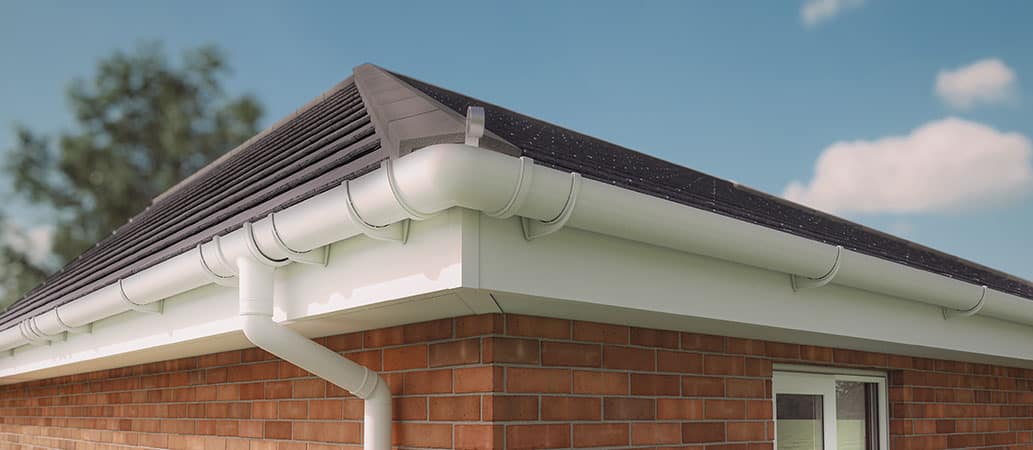
Kinds of Soffits
There are a number of types of soffit products readily available on the market, each with its own set of advantages and downsides.
Vinyl Soffits: Lightweight and low-maintenance, vinyl is resistant to wetness and offers exceptional insulation.
Aluminum Soffits: Durable and rust-resistant, aluminum soffits are readily available in different colors and do not need painting.
Wood Soffits: Offering a conventional aesthetic, wood soffits can be painted or stained. However, they require routine maintenance to prevent rot and bug damage.
Fiber Cement Soffits: This product is extremely durable, offering resistance to wetness and bugs while looking like wood in appearance.
Soffit Installation: A Step-by-Step Guide
The following actions lay out an expert technique to soffit installation:
1. Collect Necessary Tools and Materials
Before starting installation, gather the following tools:
- Measuring tape
- Circular saw or miter saw
- Drill and screws
- Level
- Safety goggles
- Respirator (for dust security)
- Ladder
2. Step the Area
Precise measurements are crucial for a tight fit. Utilize a determining tape to examine the measurements of the location where the soffit will be set up. It is important to measure both the length and width, considering the overhang's depth.
3. Select the Right Material
Select your soffit product based on visual preference, budget, and wanted durability. Whether selecting vinyl, aluminum, wood, or fiber cement, ensure that it complies with local structure codes.
4. Prepare the Working Area
Begin by removing any old soffit or debris. Make certain the location is clear and safe before proceeding with installation.
5. Cut the Soffit Panels
Using a circular or miter saw, thoroughly cut the soffit panels according to the measurements taken earlier. Constantly wear security goggles while cutting.
6. Set Up the Soffit Panels
- Begin at one end of the eave, attaching the soffit panels with screws.
- Guarantee they are level and lined up properly.
- Use a drill to secure the panels tightly, allowing for minor growths and contractions.
7. Total the Installation
As soon as all panels are set up, examine the seams and edges for any spaces. These spaces can cause wetness issues and can lower the efficiency of ventilation systems. Fill any obvious spaces with appropriate sealants.
Table: Comparison of Soffit Materials
| Product | Durability | Maintenance | Cost | Visual Appeal |
|---|---|---|---|---|
| Vinyl | High | Low | Moderate | Range of colors |
| Aluminum | Extremely High | Really Low | Higher | Various finishes |
| Wood | Moderate | High | Low to Moderate | Conventional look |
| Fiber Cement | Really High | Moderate | Moderate to High | Resembles wood |
Frequently Asked Questions about Soffit Installation
Q: How typically should I inspect or change my soffits?A: It is suggested to inspect soffits yearly for damage, moisture, or insect problems. Change them if they reveal indications of wear or damage. Q: Can I set up soffits myself?A: With the right tools, products, and following basic guidelines, homeowners can install soffits themselves. Nevertheless, working with a professional is recommended for intricate structures. Q: Do soffits need ventilation?A: Yes, ventilated soffits are vital for enabling air to
flow and avoiding wetness accumulation in attic areas. Q: What are the advantages of soffit installation?A: Benefits consist of enhanced looks, security against the components, increased energy efficiency, and enhanced moisture control. Q: How can I paint wood soffits?A: To paint wood soffits, it's best to use a high-quality outside paint after sanding the surface, using a guide, and after that two coats of paint
. Expert soffit installation is an important procedure that combines workmanship, understanding of products, and an understanding of building regulations. Whether undertaking a DIY project or working with experts, understanding the
right materials and processes can make sure that the soffits of a building not only enhance its look however also add to the general health and performance of the home. By following the described steps, homeowners can achieve an efficient and visually pleasing outcome that provides years of utility and aesthetic satisfaction.


