


Exploring the Vital Role of Fascia and Soffit in Home Construction: A Comprehensive Guide to Choosing the Right Company
When it comes to home construction, particularly relating to roof, fascia and soffit play important functions that frequently go undetected. These architectural elements do more than add to visual appeal; they safeguard the structure from ecological damage, boost ventilation, and promote energy performance. Selecting the right fascia and soffit company is vital for guaranteeing quality work and longevity of these systems. This article looks into the functions of fascia and soffit, what to consider when picking a company, and answers to frequently asked concerns about these essential components.
Comprehending Fascia and Soffit: Their Importance in Home Construction
What is Fascia?
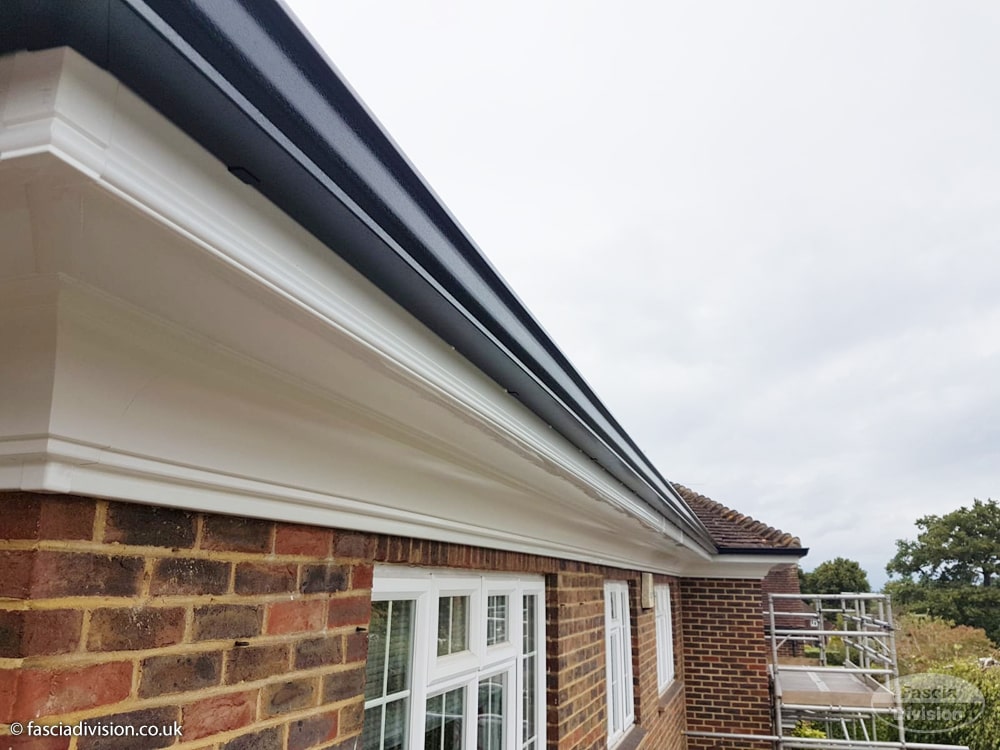
Fascia describes the board that runs horizontally along the edge of the roofing system, just below the shingles. It serves numerous purposes, including:
- Support for Gutters: Fascia boards offer a strong installing point for rain gutters, guaranteeing that they stay safely attached and successfully channel water far from the home.
- Visual Appeal: The fascia can boost the general look of the roofline by offering a clean, finished appearance.
- Protection Against Elements: It produces a barrier that assists avoid water damage, bugs, and debris from going into the home.
What is Soffit?
Soffit, on the other hand, is the material that covers the underside of the eaves, which is the location between the roofline and the wall of your home. The essential functions of soffit include:
- Ventilation: Soffits often feature vents that boost air flow in the attic, lowering moisture accumulation and assisting to maintain a consistent temperature level.
- Concealment: They conceal rafters and other structural parts, adding to a cleaner and more organized appearance.
- Pest Prevention: Soffits serve to block entry points for insects such as rodents and birds, lowering potential problems.
Integrated Functionality
Together, fascia and soffit systems develop a protective layer for homes, securing them from weather condition elements and keeping energy costs manageable. Guaranteeing they are installed properly is important for both performance and appearance.
Selecting the Right Fascia and Soffit Company
Picking the right company for fascia and soffit installation needs mindful consideration of several factors:
1. Experience and Expertise
The picked company ought to have comprehensive experience in installing fascia and soffit systems. Look for:
- Positive client evaluates
- A portfolio of previous projects
- Market certifications
2. Material Options
Fascia and soffit can be constructed from various products, including wood, vinyl, and aluminum. A reliable company ought to offer a series of choices and guide homeowners in choosing the most suitable material based on their needs.
3. Quality of Workmanship
Always inquire about the company's technique to quality control. Ask about:
- The techniques they utilize
- The tools and equipment employed
- Warranty on both labor and materials
4. Rates and Estimates
Acquire multiple quotes before making a decision. An in-depth quote should include:
- Cost breakdown of materials and labor
- Timeline for the project
- Terms
5. Customer care
Excellent client service is a trademark of a reliable company. Ensure they are:
- Responsive to inquiries
- Happy to personalize solutions
- Committed to post-installation assistance
Contrast Table: Key Features of Different Fascia and Soffit Materials
| Product | Sturdiness | Maintenance | Ventilation | Aesthetic Appeal | Expense Range |
|---|---|---|---|---|---|
| Wood | Moderate | High | Minimal | High | ₤ 3 - ₤ 10 per sq. ft. |
| Vinyl | High | Low | Great | Moderate to High | ₤ 2 - ₤ 5 per sq. ft. |
| Aluminum | Extremely High | Really Low | Excellent | Moderate | ₤ 4 - ₤ 8 per sq. ft. |
Frequently Asked Questions (FAQs)
What is the best material for fascia and soffit?
The best product depends upon the property owner's preferences and particular requirements. Vinyl is popular for its low maintenance, while wood offers a timeless appearance but needs more upkeep. Aluminum is highly resilient and resistant to the aspects.
How typically should fascia and soffit be inspected?
It is recommended to check fascia and soffit systems at least as soon as a year, ideally in the spring or fall, for signs of damage, rot, or pest invasion.
Can I install fascia and soffit myself?
While it is possible for a property owner with building experience to carry out the installation, hiring a professional is recommended to ensure correct installation and avoid prospective issues.
How do I know if my fascia and soffit need to be replaced?
Indications that fascia and soffit may require replacement include water damage, noticeable sagging, peeling paint, or the presence of bugs.
What should I anticipate throughout the installation process?
Throughout installation, a professional company typically performs a comprehensive assessment, eliminates old materials as required, installs brand-new fascia and soffit, and performs a final inspection to guarantee whatever is operating correctly.
Fascia and soffit are fundamental components of a home's roof, playing important functions in defense, ventilation, and aesthetic appeal. Selecting the ideal company for installation is important for guaranteeing both quality workmanship and robust performance. Property owners need to carefully evaluate their choices based on experience, materials, and client service to make an informed decision. By comprehending the value of these architectural functions and dealing with a reputable fascia and soffit company, house owners can take proactive steps towards enhancing their home's convenience and resilience for years to come.


