


Understanding UPVC Windows and Doors: The Smart Choice for Modern Homes
In the last few years, the appeal of Unplasticized Polyvinyl Chloride (UPVC) doors and windows has risen in construction and renovation projects worldwide. This rise can be credited to their various advantages, which range from energy performance to aesthetic appeals. This article supplies an in-depth check out UPVC windows and doors, highlighting their characteristics, advantages, installation process, maintenance, and some regularly asked questions.
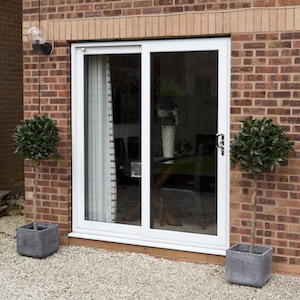
What are UPVC Windows and Doors?
UPVC doors and windows are made from a robust and resilient material called unplasticized polyvinyl chloride. Unlike standard materials like wood or aluminum, UPVC is understood for its resistance to weathering, corrosion, and chemical damage. These features make UPVC a perfect choice for modern homes, integrating both functionality and visual appeal.
Key Characteristics of UPVC Windows and Doors
| Particular | Description |
|---|---|
| Sturdiness | UPVC is resistant to rot, rust, and rust. |
| Energy Efficiency | Outstanding insulation properties lower heating costs. |
| Low Maintenance | Requires minimal upkeep and is simple to clean. |
| Adjustable Designs | Readily available in different designs, colors, and finishes. |
| Sound Insulation | Supplies superior soundproofing compared to standard materials. |
| Eco-Friendly | Recyclable material adds to sustainability. |
Advantages of UPVC Windows and Doors
UPVC windows and doors use a multitude of benefits, making them a preferred choice amongst house owners and builders. A few of these advantages consist of:
Energy Efficiency:
- UPVC windows and doors have exceptional thermal insulation homes, avoiding heat loss during winter season and heat entry in summer season. This can considerably reduce energy costs.
Improved Security:
- Many UPVC profiles included multi-point locking systems and reinforced structures that provide increased security against burglaries.
Low Maintenance:
- Unlike wood, which requires routine painting and treatment, UPVC does not require frequent maintenance. Cleaning up is as simple as cleaning with a moist fabric.
Aesthetic Appeal:
- UPVC doors and windows can be customized to match any architectural design and can be found in numerous colors and finishes, consisting of wood-grain impacts, offering the preferred visual without the typical downsides of wood.
Noise Reduction:
- The airtight seal of UPVC frames assists to block out external sound, including a component of serenity to the living environment.
Economical:
- Although the initial financial investment may be somewhat greater than conventional windows and doors, the long-term cost savings on upkeep and energy costs make UPVC a cost-effective choice.
Setup of UPVC Windows and Doors
The installation procedure of UPVC doors and windows is important for guaranteeing their efficiency and longevity. Here's an overview of the actions involved:
Step-by-Step Installation Process
Measurement:
- Accurate measurements of window and door openings are crucial to ensuring a perfect fit.
Preparation:
- Remove any existing frames and prepare the openings by cleansing and leveling the surfaces.
Dry Fit:
- Place the UPVC frames into the openings without securing them to look for fit and make sure that they are level.
Protecting the Frame:
- Once correctly fitted, the frames are protected using screws or other fasteners, ensuring they are sealed securely.
Sealing:
- Apply proper sealants to avoid air and water seepage, further boosting the energy performance of the installation.
Completing Touches:
- Install trims or finishing pieces to give the setup a refined look.
Upkeep of UPVC Windows and Doors
Though UPVC requires minimal maintenance, suitable care can ensure longevity and ideal efficiency. Here are some upkeep ideas:
Maintenance Tips for UPVC Windows and Doors
- Routine Cleaning: Use mild detergents with water to clean up the frames and glass.
- Check Seals and Hinges: Regularly check weather condition seals and hinges and change them if worn or damaged.
- Lubrication: Apply a silicon-based lube to moving parts like locks and hinges to guarantee smooth operation.
- Examine for Damage: Periodically inspect for any signs of damage or wear and address issues without delay.
Frequently Asked Questions About UPVC Windows and Doors
Q1: How long do UPVC windows and doors last?
A1: UPVC doors and windows can last approximately 25 years or longer, depending upon the quality of the products and upkeep.
Q2: Are UPVC windows energy efficient?
A2: Yes, upvc windows doors (http://111.229.169.105:3000/window-Upvc-Door7866) windows and doors offer exceptional insulation, assisting to minimize energy expenses and maintain indoor convenience.
Q3: Can UPVC windows and doors be painted?
A3: While painting UPVC is possible, it is generally not recommended as it can void service warranties. UPVC is available in numerous finishes that do not need painting.
Q4: Are UPVC windows secure?
A4: Yes, UPVC doors and windows come with multi-point locking systems and can be enhanced for included security.
Q5: How do UPVC windows compare to wood windows?
A5: UPVC windows are typically more long lasting, require less maintenance, and supply much better insulation compared to wooden windows, which are more prone to rot and need regular maintenance.
UPVC windows and doors are a practical and smart financial investment for homeowners looking to enhance the energy effectiveness, security, and aesthetic appeal of their home. With a plethora of benefits and fairly low maintenance requirements, UPVC is a flexible choice for domestic and business applications alike. As the need for sustainable and effective building products grows, UPVC stands apart as a frontrunner in the world of contemporary building. By selecting UPVC, house owners can not just improve their residential or commercial property but likewise contribute positively to the environment.


