


Comprehensive Guide to Door Lock Repair: Ensuring Security and Functionality
Door locks play an important function in protecting homes and organizations, supplying assurance and securing valuable possessions. However, with time, door locks might experience breakdowns or break due to different aspects. This article checks out the typical problems associated with door locks, reliable repair methods, and valuable upkeep ideas for ensuring their durability and functionality.
Comprehending Door Lock Types
Before diving into repair methods, it is essential to understand the numerous kinds of door locks. Each type may provide distinct concerns needing various approaches to repair. The most typical door lock types include:
| Lock Type | Description | Common Issues |
|---|---|---|
| Deadbolts | Bolt that extends into the Door lock repair frame for security. | Sticking, difficulty turning, misalignment |
| Knob Locks | Cylindrical lock found on doors. | Loose knobs, stuck key, broken springs |
| Lever Handle Locks | Lever-operated locks frequently discovered in business spaces. | Handle looseness, lock cylinder issues |
| Smart Locks | Electronic locks managed by means of app or keypad. | Connection problems, battery failure, software problems |
Typical Lock Problems and Repair Techniques
1. Sticking or Jammed Locks
Symptoms:
- Difficulty turning the key
- Key gets stuck
- Lock feels stiff
Repair Steps:
- Lubrication: Apply a graphite-based lubricant to the keyhole and key mechanism. Avoid oil-based lubricants, which can attract dirt.
- Adjustment: Check if the door or lock is misaligned. Change the screws or hinge positioning as essential.
- Cleansing: Remove dirt and debris from the lock cylinder utilizing compressed air or a clean cloth.
2. Loose or Wobbly Knobs and Handles
Symptoms:
- Knobs or deals with fall out of location
- Excessive movement when turning
Repair Steps:
- Tightening Screws: Using a screwdriver, tighten up the screws that hold the knob or handle in place.
- Replacing Washers: If components are used out, consider replacing washers or internal parts specific to the lock type.
3. Broken Key Issues
Symptoms:
- A key ends up being stuck within the lock
- The key breaks off in the cylinder
Repair Steps:
- Retrieval: If a key breaks off, utilize a set of needle-nose pliers to thoroughly draw out the piece from the lock.
- Key Replacement: For badly harmed keys, acquire a duplicate or rekey the lock to make sure security.
4. Misaligned Locks
Symptoms:
- The door does not close effectively
- Lock does not engage with the strike plate
Repair Steps:
- Adjust Hinges: Use a screwdriver to tighten up or rearrange hinges.
- Straighten Strike Plate: If the latch bolt does not associate the strike plate, think about moving the plate somewhat to accommodate the lock.
5. Smart Lock Malfunctions
Signs:
- Lock stops working to react to keypads or smart device apps
- Connectivity issues
Repair Steps:
- Battery Check: Replace the batteries within the smart lock if it reveals indications of power failure.
- Software Update: Check for firmware or software application updates through the lock maker's application.
Preventive Maintenance Tips
Maintaining door locks can extend their lifespan and reduce the likelihood of malfunctions. Consider the following suggestions for efficient lock maintenance:
- Regular Lubrication: Apply graphite-based lube every six months to keep internal components moving smoothly.
- Examine Regularly: Periodically inspect locks for any indications of wear, misalignment, or damage.
- Protect Against Weather: For exterior locks, think about utilizing weather-resistant locks and ensure that they are frequently cleaned up to eliminate harsh aspects.
FAQ Section
1. How often should I change my door locks?
It is a good idea to change your door locks whenever you move into a brand-new home, experience a burglary, or your existing locks reveal significant wear. Regular examinations can also guide prompt replacement.
2. What can I do if my lock is frozen during winter?
Use a lock de-icer that is particularly designed for this situation. Using heat (like a hair clothes dryer) might likewise help, but be careful of harming the lock.
3. Can I repair a lock myself?
Many small lock concerns such as lubrication, tightening up screws, and realignment can be dealt with DIY. Nevertheless, if the issue is severe or requires a lock rekeying, professional help might be needed.
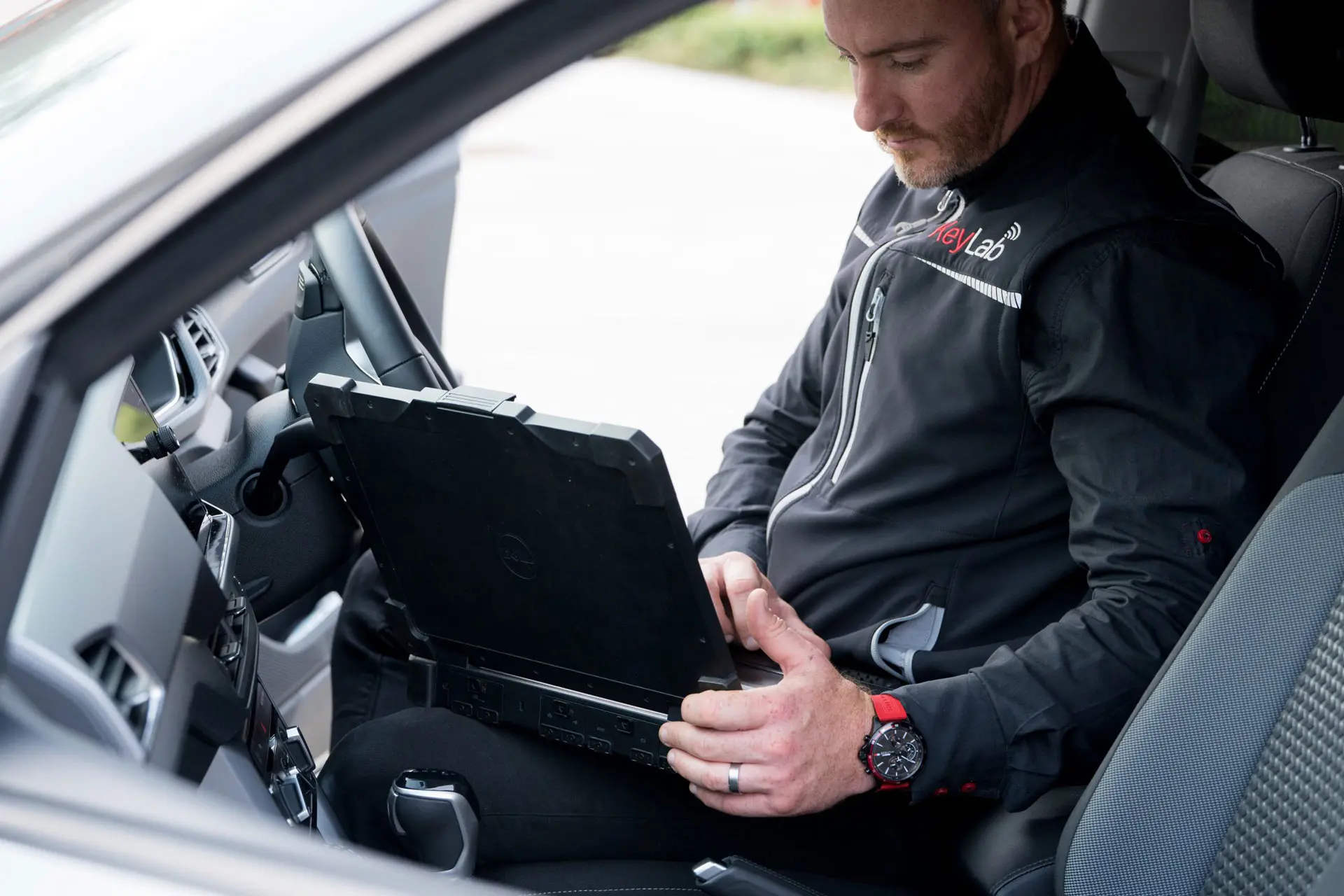
4. When should I call a locksmith?
If your attempts to repair the lock fail or if you find yourself locked out, it is best to consult an expert locksmith for assistance.
Investing time in understanding and performing door lock repairs can considerably improve the security and functionality of your locks. Acknowledging typical concerns and proactively addressing them, while integrating preventive upkeep practices, can guarantee that your door locks remain trustworthy for years to come. Must issues persist or intensify, professional locksmith services are always offered to secure your security needs.


