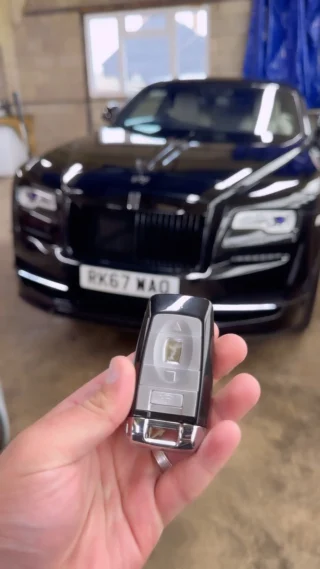
Car Key Case Repair: A Comprehensive Guide
The functionality and benefit of car keys have actually progressed substantially with advancements in innovation. As cars have actually transitioned from traditional metal keys to sophisticated key fobs and smart keys, the value of maintaining these important parts has become critical. One element that often demands attention is the repair of car key cases. This article looks into the intricacies of car key case repair, resolving common problems, effective repair approaches, and useful pointers for preserving key durability.
Understanding Car Key Cases
Car key cases are the protective real estates for the electronic parts and battery of car keys. They are created to safeguard the internal systems from wear and tear due to day-to-day usage. However, with time and with regular handling, these cases can end up being scratched, split, or broken, jeopardizing not only the visual appeal however possibly the performance of the key itself.
Common Issues with Car Key Cases
- Cracks and Breaks: The most common issue emerges from unintentional drops or pressure used to the key.
- Used Out Buttons: Frequent use can lead to the wearing down of buttons, making it challenging to lock or unlock doors.
- Battery Compartment Damage: If not dealt with properly, the compartment that houses the battery can end up being loose or misaligned.
- Water Damage: Accidental direct exposure to water or humidity can harm the electronic components within the key case.
- Cosmetic Damage: Scratches and dents can lessen the overall visual of the key case.
| Problem Type | Description | Impact on Functionality |
|---|---|---|
| Cracks and Breaks | Physical damage from drops or pressure | May render the key unusable |
| Worn Out Buttons | Buttons become unresponsive or need more force | Trouble in operation |
| Battery Compartment Damage | Loose or misaligned compartment affecting battery access | Key may not function at all |
| Water Damage | Exposure to moisture destructive internal electronics | Breakdown or brief circuit |
| Cosmetic Damage | Scratches and aesthetic wear | No practical effect, but minimizes appeal |
Approaches for Repairing Car Key Cases
Repairing a car key case can vary from DIY solutions to professional services. Here are numerous techniques to consider when confronted with a harmed key case:
DIY Repair Techniques
Super Glue for Cracks: For small cracks in plastic key fobs, a premium extremely glue can efficiently bond the split back together.
Epoxy for Breaks: For more significant breaks, a two-part epoxy is suggested, offering a more powerful hold after curing.
Changing Buttons: If buttons are used, they can sometimes be replaced using button kits readily available online. Alternatively, you can use silicone sealant to create new buttons.
Cleaning up and Drying: In the event of water direct exposure, rapidly dismantling the key fob, air-drying the components, and utilizing rubbing alcohol to clean up may salvage the electronics.
Protective Covers: To avoid recurring damage, think about purchasing a protective silicone case that fits over the key.
Professional Repair Options
When the DIY approach is not appropriate or the damage is substantial, it may be smart to seek advice from a professional locksmith or car dealership. Professional services can provide:
- Reprogramming: If electronic parts are harmed, reprogramming services can bring back lost functionality.
- Key Replacement: In cases beyond repair, a total key replacement might be necessary, which frequently includes reprogramming the brand-new key to deal with the vehicle.
- Shell Replacement: Professionals can replace the external shell of the key fob while moving the internal mechanisms securely.
Preventative Measures for Key Longevity
To lengthen the life expectancy of car key cases and prevent common damages, consider the following pointers:
- Avoid Exposing to Moisture: Store type in a dry environment and avoid leaving them in wet pockets or locations.
- Use a Keychain: Attaching your car key to a large keychain can help avoid drops and make it much easier to find.
- Reduce Pressure: Be mindful of how much pressure is applied to key fobs during use; prevent resting on keys or putting heavy items on top of them.
- Routine Cleaning: Regularly clean the key fob and remove debris to avoid buildup that might harm buttons and create extra wear.
FAQs about Car Key Case Repair
Q1: Can I fix a broken key fob myself?
A: Yes, lots of individuals can fix small damages such as cracks and button replacement utilizing incredibly glue or epoxy. Nevertheless, complex electrical problems might need expert assistance.
Q2: How do I understand if my key fob requires to be changed?
A: If the key fob is increasingly unresponsive, the battery is routinely passing away regardless of replacements, or if it is physically harmed beyond repair, it might require to be changed.
Q3: What if water enters my key fob?
A: Immediately disassemble the key, dry it thoroughly, and tidy any components exposed to wetness. If problems continue, speak with a professional.
Q4: How can I avoid damage to my car key?
A: Use a protective case, prevent exposure to wetness, and store it firmly when not in usage.
Q5: Are there particular tools I require for DIY repairs?
A: Basic tools such as incredibly glue, epoxy, a little screwdriver set, and silicone sealant are frequently enough for DIY repairs.
Car key case repair is a vital skill for any vehicle owner wanting to preserve their keys' functionality and look. By understanding common problems, employing efficient repair strategies, and executing preventative measures, chauffeurs can ensure their car keys remain in optimum condition for many years to come. Whether selecting a DIY technique or seeking expert aid, taking the necessary actions can substantially extend the life of car keys and keep them operating efficiently.