


A Comprehensive Guide to Buying a Fridge: Tips and Considerations
Buying a refrigerator is a significant decision for any household. The ideal fridge not just keeps your food fresh but also enhances the visual appeal of your kitchen. With a wide range of choices offered in the market, possible purchasers deal with the difficulty of finding a refrigerator that suits their requirements and fits their budget plan. This short article supplies valuable insights into the necessary factors to consider when buying a fridge, classifies the different types available, and addresses some frequently asked concerns.
Types of Refrigerators
Before diving into the purchasing process, it's necessary to understand the various kinds of refrigerators offered. Each type serves a special purpose and features its own set of features. Here's a quick introduction:
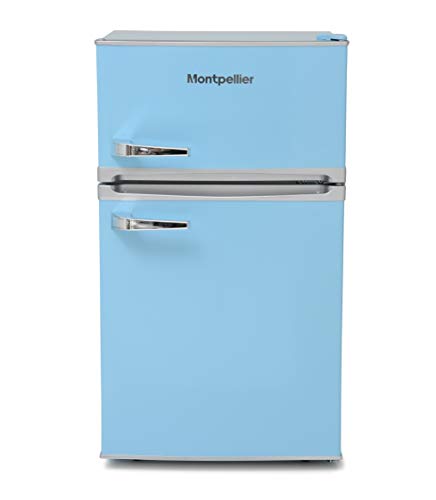
| Type | Description | Perfect For |
|---|---|---|
| Top Freezer | A conventional model with the freezer compartment on top. | Budget-conscious consumers. |
| Bottom Freezer | Refrigerator above, freezer at the bottom. | Those who frequently access fresh food. |
| Side-by-Side | Two vertical areas, one for the fridge, one for the freezer. | Big families with varied storage requirements. |
| French Door | Different compartments for fridge and freezer - www.frydge.co.uk - with large doors. | Elegant cooking areas and avid cooks. |
| Compact | Smaller sized and portable, suitable for restricted areas. | Dorms or studio apartments. |
| Smart Fridges | Geared up with Wi-Fi and touch screens for advanced functions. | Tech-savvy users seeking benefit. |
Understanding these numerous types can assist buyers identify what suits their lifestyle and kitchen area design best.
Key Considerations When Buying a Fridge
1. Size and Space
The size of the refrigerator is among the critical aspects to think about. Procedure the readily available area in your kitchen where the fridge will live. Bear in mind:
- Depth, Width, and Height: Ensure that the fridge complements your kitchen's total layout.
- Door Swing: Check that the door can open easily without blockage.
- Capability Needs: Consider how much food you generally save and choose a fridge with a proper cubic foot capability.
2. Energy Efficiency
When buying a brand-new fridge, try to find energy-efficient models. Energy Star-rated refrigerators consume less electrical power, which can substantially minimize utility costs. Elements to examine consist of:
- Energy Guide Label: This provides an estimate of the annual energy intake.
- Inverter Technology: Helps maintain temperature while taking in less power.
3. Features and Technology
Fridges include a myriad of features and technological developments. Selecting the right mix can significantly boost convenience:
- Temperature Control: Look for designs that offer exact temperature level settings for various compartments.
- Smart Technology: Wi-Fi connection can provide signals, recipe suggestions, and stock checks.
- Ice and Water Dispenser: Consider whether you want an in-door water and ice dispenser to save space and enhance availability.
4. Style and Design
The aesthetic appeal of your refrigerator can complement the general cooking area style. Consider the following styles:
- Finish Choices: Stainless steel, matte black, and traditional white are popular surfaces.
- Handle Design: Choose a deal with style that matches your kitchen area's décor and is easy to open.
5. Rate and Brand Reliability
While there are lots of budget plan options offered, buying a reputable brand typically equates to reliability and resilience. Consider the following:
- Warranty: A strong warranty can secure versus defects and failures.
- Consumer Reviews: Research user feedback to determine performance and service quality.
Purchasing Tips
- Research study: Spend time reading reviews and contrasts before making a choice.
- Sales and Promotions: Look out for sales during holidays or special events to improve deals.
- In-store Experience: Visit local appliance shops to see the models face to face and ask concerns to experienced staff.
FAQs about Buying a Fridge
1. The length of time can I expect my refrigerator to last?
On average, a refrigerator lasts in between 10 to twenty years, depending on the brand and maintenance. Routine upkeep can extend its life-span.
2. What should I do if my refrigerator isn't cooling effectively?
Start by examining the temperature settings, ensure the door seals are undamaged, and keep the coils tidy. If problems continue, seek advice from an expert service technician.
3. Are smart fridges worth the investment?
Smart fridges can be helpful for tech-savvy users and those who value convenience. Features like stock management and remote gain access to can save time and reduce food waste.
4. How do I properly keep my refrigerator?
- Clean the interior routinely to remove spills and odors.
- Thaw if you experience frost accumulation.
- Examine the door seals to ensure they are tidy and practical.
5. What is the very best refrigerator brand?
There is no one-size-fits-all answer. Nevertheless, brand names like Whirlpool, Samsung, LG, and Frigidaire are often ranked extremely for quality and client service.
Ultimately, purchasing a refrigerator involves a lot more than just selecting a random model off the rack. By putting in the time to examine your needs, evaluating type choices, understanding critical functions, and considering style looks, you can make a notified decision that will serve your household well for several years to come. With the ideal choice, your refrigerator will be a dependable buddy in your day-to-day kitchen operations.


