


The 20ft sea container Container: A Comprehensive Guide
shipping container dimensions containers play a crucial function in global trade, and among them, the 20ft container is one of the most commonly utilized and versatile types. Popular for its standard size, resilience, and versatility, the 20ft container is vital for businesses, construction companies, and people alike. This article explores everything you need to understand about this iconic container-- from its functions and dimensions to its uses and advantages.
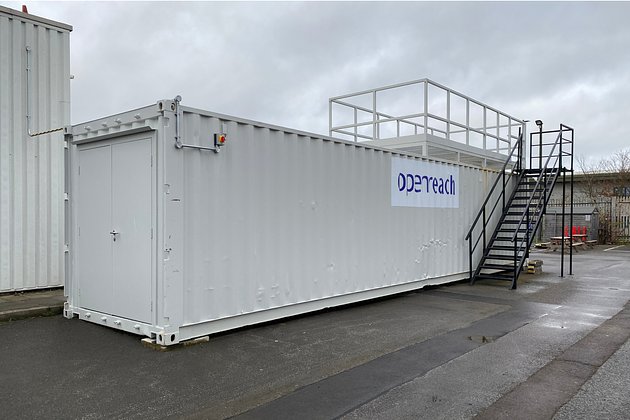 What is a 20ft Container?
A 20ft container, also referred to as a Twenty-foot Equivalent Unit (TEU), is a standardized steel or aluminum container suitable for transporting goods throughout seas, railways, and roadways. It's a foundation of intermodal shipping, compatible with ships, trucks, and trains, making it a vital possession for freight and logistics worldwide.
While its primary purpose depends on moving goods, the 20ft container's versatility has actually made it a popular option for non-shipping uses such as storage, modular construction, and mobile workplaces.
Dimensions and Specifications
The 20ft container adheres to strict global requirements established by the International Organization for Standardization (ISO). Its standardization ensures that it can fit seamlessly into worldwide buy shipping container online infrastructure. Below are the common dimensions and specs:
External Dimensions
Length: 20 foot shipping container feet (6.06 meters).
Width: 8 feet (2.44 meters).
Height: 8 feet 6 inches (2.59 meters).
Internal Dimensions.
Length: 19 feet 4 inches (5.9 meters).
Width: 7 feet 9 inches (2.35 meters).
Height: 7 feet 10 inches (2.39 meters).
Capacity Details.
Optimum Payload: ~ 25,000 kg (55,126 pounds).
Internal Volume: ~ 33 cubic meters (1,172 cubic feet).
These specifications may vary slightly amongst makers or custom units, but a lot of follow basic sizes to guarantee compatibility.
Secret Features of a 20ft Container.
The popularity of 20ft containers stems from their distinct mix of features that meet the demands of global shipping and repurposing. Here are some notable features:.
Resilience: Made of corrosion-resistant steel or high-strength aluminum, 20ft containers are constructed to withstand prolonged exposure to extreme weather condition conditions.
Stackability: These containers are developed to be stacked safely for effective storage and shipping.
Standardization: Their dimensions make them compatible with the majority of ships, trucks, trains, and cranes.
Security: Fitted with double-door locking systems, 20ft containers provide high levels of security for items.
Ventilation: Vents are consisted of to control airflow and reduce wetness buildup, which is crucial for specific kinds of cargo.
Common Uses of 20ft container capacity Containers.
The flexibility of a 20ft container exceeds standard cargo transport. Below are a few of its most typical applications:.
1. Cargo Transportation.
Shipping remains the primary function of 20ft containers. They are used to carry items ranging from electronics and textiles to machinery and food.
2. Storage Solution.
20ft containers make exceptional on-site storage systems for businesses, construction websites, or individual usage. Their roomy interiors and weatherproof construction provide safe storage for tools, automobiles, stock, and more.
3. Modular and Prefabricated Construction.
In the last few years, the appeal of 20ft containers in architecture has risen. Their uniform dimensions and effectiveness make them perfect for modular structure projects, consisting of:.
Container homes.
Pop-up shops.
Restaurants and cafes.
Emergency shelters.
Mobile workplaces.
4. Event and Exhibition Spaces.
With customization, 20ft containers can function as mobile exhibit booths, ticket counters, or portable event spaces. They can be easily carried and offer a distinct industrial visual.
5. Industrial Applications.
Industries utilize 20ft containers as equipment housing, generator enclosures, or workshops. Their structural integrity also makes them suitable for keeping harmful products (with required modifications).
Benefits of Choosing a 20ft Container.
Selecting a 20ft container offers many advantages, including:.
Portability: Compact enough to be easily transported by truck, rail, or ship.
Affordability: 20ft containers are more cost-efficient compared to larger models like the 40ft container.
Eco-Friendly: Repurposing containers minimizes waste and supports sustainability efforts.
Customizability: These containers can be modified to meet specific needs, such as adding windows, electrical power, or insulation.
Sturdiness: Their robust construction ensures long life span, making them a dependable investment.
Kinds Of 20ft Containers.
Various types of 20ft containers are offered to accommodate different requirements. Some common variations consist of:.
Basic 20ft Container: Ideal for general-purpose shipping and storage.
Reefer Container: Equipped with refrigeration for carrying disposable goods.
Open-Top Container: Features a detachable tarpaulin roofing for loading extra-large cargo.
Flat Rack Container: Suitable for heavy machinery or odd-shaped items that will not fit standard containers.
High-Cube Container: Slightly taller than basic containers for increased internal volume.
Frequently Asked Questions about 20ft Containers.
1. What is the freight capacity of a standard 20ft container?
A basic 20ft container can hold up to approximately 25,000 kgs of cargo or 33 cubic meters of material, depending upon the type and nature of the items.
2. The length of time does a 20ft container last?
With correct upkeep, a 20ft container can last 20+ years. Containers utilized for maritime shipping often have shorter lifespans due to severe weather condition direct exposure, but they are easily repurposed for storage or other uses.
3. Can 20ft containers be customized?
Yes, 20ft containers are highly adjustable. They can be modified to consist of doors, windows, insulation, HVAC systems, pipes, and electrical setups. This makes them perfect for home, workplace, or retail applications.
4. How much does a 20ft container weigh?
An empty 20ft container typically weighs around 2,200 kg (4,850 lbs). Keep in mind that the weight of adjustments and cargo will add to this overall weight.
5. How do I carry a 20ft container?
20ft containers can be carried by flatbed truck, rail, or ship. For portability, many companies use cranes, forklifts, or unique container lifting equipment.
6. Where can I acquire or rent a 20Ft Container storage (zenwriting.net) container?
Containers can be purchased or rented from shipping business, container suppliers, or online platforms specializing in shipping devices. It's important to ensure you're getting a certified and well-maintained unit.
Conclusion.
The 20ft container is an indispensable property in modern-day commerce and logistics and its applications continue to broaden into construction, storage, and innovative architecture. With its standardized dimensions, resilience, and adaptability, this container provides users a versatile service for transferring products, protecting belongings, or developing modular spaces.
Whether you're in the marketplace for storage, transportation, or a creative building project, the 20ft container is a reliable choice that efficiently stabilizes cost, capability, and durability. By thoroughly understanding its functions and usages, you can take advantage of this powerful containerized service.


