


Understanding Fascia and Soffit: Key Components of Roofing and Exterior Design
When it comes to home building and construction and design, every detail contributes to the general durability, functionality, and visual appeals of the structure. Among these details, fascia and soffit play crucial functions in both performance and look. This short article supplies an extensive understanding of fascia and soffit, their purposes, products, maintenance, and installation practices.
What are Fascia and Soffit?
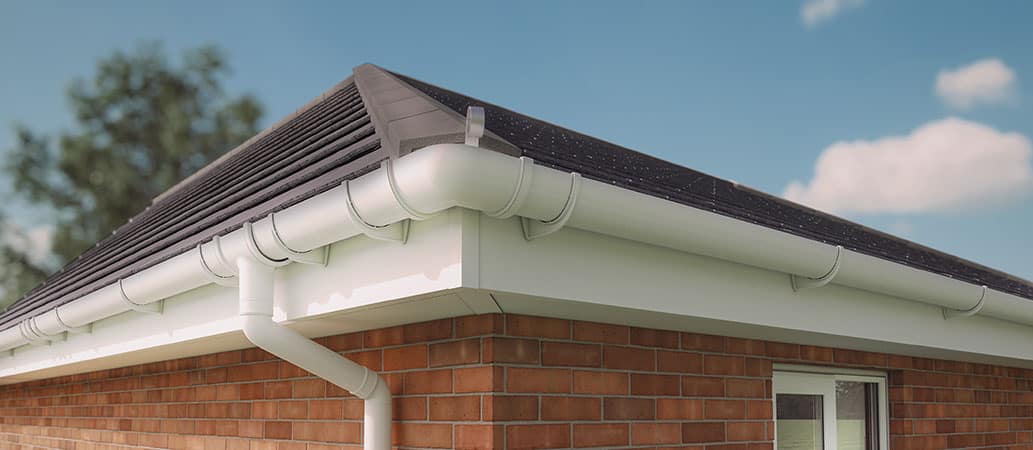
Fascia and soffit are necessary parts of a building's roof system, impacting its performance and look.
Fascia is the horizontal board that runs along the edge of the roofing. It is generally connected to completions of the rafters and acts as a leader for rainwater from the roof, helping to prevent moisture damage. In addition, fascia boards supply a completed appearance to the roof's edge and frequently act as an installing area for gutters.
Soffit is the underside of the eaves, bridging the gap between the siding and the roofline. It is visible from the ground and can enhance the aesthetic appeals of the building's outside. More significantly, soffit plays a vital role in ventilation for the attic, assisting to control temperature and moisture, thus preventing mold and rot.
Why Are Fascia and Soffit Important?
Fascia and soffit add to the total integrity and appearance of a home. Here are some bottom lines highlighting their value:
- Protection from Water Damage: Fascia directs water into the rain gutters, preventing it from leaking into the walls and structure.
- Ventilation: Soffit allows air flow into the attic area, helping in temperature level regulation.
- Aesthetic Appeal: Both fascia and soffit boost the visual profile of a home, providing a polished and finished appearance.
- Bug Prevention: Properly installed soffits prevent bugs such as birds, pests, and rodents from nesting in the eaves.
Common Materials for Fascia and Soffit
Choosing the best materials for fascia and soffit is essential for durability and maintenance. Here are the most common products utilized:
| Material | Description | Pros | Cons |
|---|---|---|---|
| Wood | Conventional material for fascia and soffit, available in numerous surfaces. | High visual appeal, personalized. | Prone to rot without proper treatment. |
| Vinyl | A low-maintenance option, frequently readily available in numerous colors. | Resistant to rot, no painting required. | Can become fragile gradually. |
| Aluminum | Light-weight and rust-resistant, frequently used in modern styles. | Durable and lasting. | Damages easily, may need special tools for installation. |
| Fiber Cement | A composite product that mimics wood however has higher durability. | Fireproof and extremely long lasting. | Much heavier and more expensive. |
Installation of Fascia and Soffit
Appropriate installation is important to making sure the durability and efficiency of fascia and soffit. Here's a concise guide for the installation procedure:
Fascia Installation
- Measure and Cut: Measure the length of the fascia board required and cut it to size using suitable tools.
- Support: Ensure the board is properly supported versus completions of the rafters.
- Secure: Use corrosion-resistant screws or nails to protect the fascia board to the rafter ends.
- End up: Depending on the material, use paint, stain, or sealant for added protection if needed.
Soffit Installation
- Preparation: Start with the framing. Cutting down the overhang of the rafters for soffit installation.
- Ventilation: If using aerated soffit, install it first, guaranteeing holes align with the attic space.
- Secure Panels: Attach the soffit panels, usually beginning with one end and working towards the other, guaranteeing they are secured sufficiently.
- Complete Edges: Finally, cap the edges to avoid water invasion and provide a polished look.
Maintenance of Fascia and Soffit
Routine maintenance ensures the longevity of fascia and soffit. Here are some suggestions for preserving these vital components:
- Inspect Regularly: Routine assessments for signs of rot, mold, or pest problems are important.
- Cleaning: Gently tidy fascia and soffit to remove debris, dirt, and mildew.
- Paint/Sealant: Reapply paint or sealant as required, specifically for wood products that are prone to damage.
- Inspect for Leaks: Ensure gutters are operating correctly to prevent water from pooling versus the fascia.
FAQs
Q1: How typically should I inspect my fascia and soffit?
It is a good idea to examine them at least two times a year, especially after serious weather.
Q2: Can I set up fascia and soffit myself?
Yes, however it needs fundamental carpentry skills and the right tools. If you're unsure, it's best to hire a professional.
Q3: What signs show that my fascia or soffit requirements replacing?
Keep an eye out for sagging, discoloration, peeling paint, indications of insects, or water damage, which all suggest it may be time for replacement.
Q4: Are there energy efficiency benefits associated with soffit ventilation?
Yes, appropriate ventilation decreases heat accumulation in the attic, improving energy effectiveness by reducing the load on a/c systems during hot months.
Q5: What is the perfect material for fascia and soffit?
The very best material depends on your budget plan, climate considerations, and visual choices. Typically, vinyl or aluminum are preferred for low maintenance, while wood provides high aesthetic appeal but requires more maintenance.
Comprehending fascia and soffit is important for house owners looking for to enhance the functionality and website aesthetic appeal of their roofings. These components play a significant function in safeguarding your home from water damage, permitting appropriate ventilation, and avoiding pest problems. By selecting the right products, ensuring proper installation, and undertaking routine maintenance, house owners can make the most of the longevity and efficiency of their fascia and soffit, contributing to the total health and appeal of their homes.


