


Fascia and Soffit Upgrades: Enhancing Your Home's Exterior
Introduction
When it comes to home enhancement, numerous homeowners concentrate on the more visible elements like siding, windows, and doors. Nevertheless, similarly crucial but frequently neglected areas are the fascia and soffit. Updating these parts can significantly enhance a home's outside aesthetic appeals, enhance performance, and provide better defense against the aspects. This post will look into the significance of fascia and soffit, the numerous upgrade options offered, and how these improvements can benefit your home.

Understanding Fascia and Soffit
What is Fascia?
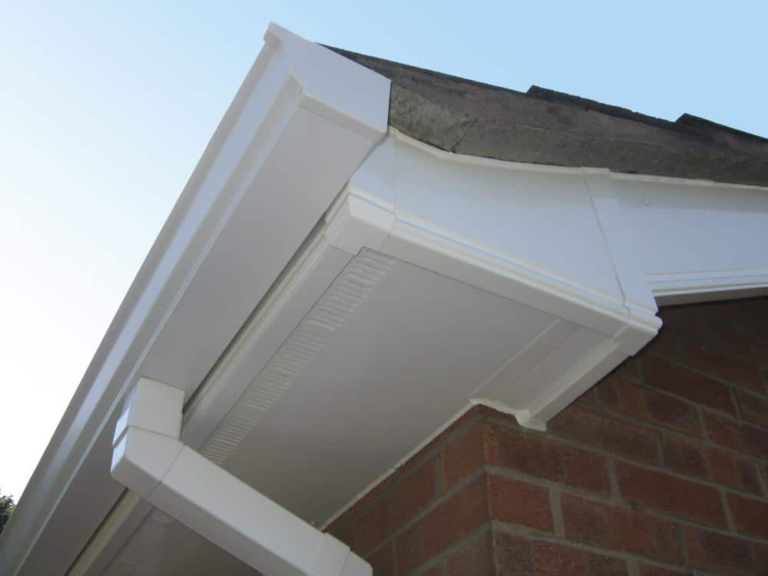
Fascia refers to the horizontal board that runs along the roofing's edge. It is generally the visible trim utilized to connect the roofline to the home's outside walls. The fascia board plays a vital role in supporting the lower edge of the roofing system, attaching the gutters, and often including an ending up touch to the architectural design of the home.
What is Soffit?
Soffit is the material that covers the underside of overhanging eaves. It fills the space in between the roofline and the outside wall, supplying complete coverage while improving the overall appearance of the eaves. Soffits are important for ventilation, as they enable air to stream into the attic area, helping to maintain appropriate temperature level balance and prevent moisture buildup.
Why Upgrade Fascia and Soffit?
Updating fascia and soffit elements can yield a host of advantages, including:
- Aesthetic Appeal: New fascia and soffit products can match the design of your home, raising its curb appeal.
- Protection from Moisture: Poorly maintained fascia and soffit can rot or end up being plagued with bugs. Upgrading with moisture-resistant materials provides much better defense.
- Enhanced Ventilation: Well-designed soffits enhance attic ventilation, which can lead to energy savings while minimizing the danger of ice dams in winter.
- Increased Property Value: An aesthetically appealing and well-kept exterior can increase your home's market worth.
- Minimized Maintenance: Modern products frequently have much better durability and need less maintenance compared to conventional wood choices.
Upgrade Options: Materials and Styles
When considering fascia and soffit upgrades, house owners have numerous products and designs to choose from. Below is a table summing up the most typical alternatives:
| Material | Description | Pros | Cons |
|---|---|---|---|
| Vinyl | Plastic product that simulates wood textures | Low maintenance, moisture-resistant | Can fade gradually |
| Aluminum | Light-weight metal readily available in numerous colors | Resistant to deterioration, long-lasting | May damage quickly |
| Wood | Standard alternative that provides natural appeal | Simpler to work with, visually pleasing | Requires routine maintenance |
| Fiber Cement | Composite product that imitates wood | Extremely durable, weather-resistant | Much heavier, might need unique tools |
| PVC | Light-weight plastic option | Easy installation, resistant to rot | May absence color variety |
Installation Process
Upgrading fascia and soffit requires an in-depth technique to make sure sturdiness and appropriate function. Here's a quick overview of the installation process:
Assessment: Evaluate the present condition of your fascia and soffit. Try to find signs of rot, damage, or insects.
Product Selection: Choose the suitable materials based on looks, maintenance preferences, and budget plan.
Preparation: Remove the old fascia and soffit products thoroughly. Guarantee all areas are tidy and complimentary of particles.
Installation:
- Install the brand-new soffit panels, making sure appropriate ventilation.
- Attach the fascia boards, protecting them tightly and looking for any spaces where moisture might enter.
Completing Touches: Paint or seal the new materials as required and install gutters, guaranteeing they are securely attached to the fascia.
Often Asked Questions (FAQs)
1. What is the ideal time for fascia and soffit upgrades?
The perfect time for these upgrades is generally during spring or early fall when weather condition conditions are moderate. Avoiding extreme temperature levels can help guarantee the products set properly and keep their shape.
2. How do I know if my fascia and soffit need to be changed?
Signs of damage consist of peeling paint, sagging boards, water damage, or visible gaps. If you can see rot or pest problems, it's time to think about an upgrade.
3. Can I install fascia and soffit upgrades myself?
While some house owners might feel great in DIY setups, hiring professionals is often suggested. They bring expertise and ensure that the installation fulfills local building regulations.
4. What should I try to find in a contractor?
When picking a contractor, look for licenses and insurance coverage, request for recommendations, and read reviews. It's helpful to get multiple quotes to guarantee you receive a fair rate.
5. How much does it typically cost to upgrade fascia and soffit?
The cost can differ significantly based on aspects such as material choice, labor expenses, and the overall size of your home. Typically, homeowners might invest between ₤ 1,500 and ₤ 5,000.
Upgrading fascia and soffit parts is a vital element of home maintenance that should not be overlooked. Through improved aesthetics, enhanced protection, and increased home worth, these upgrades serve a vital role in preserving the integrity and appeal of your home. By comprehending your options and the advantages they use, property owners can make educated choices to enhance both the appeal and performance of their property.


