


The Reality of Euro Counterfeit Money: What You Should Know
In a progressively globalized economy, more individuals find themselves handling foreign currencies, consisting of Euros. With the rise in worldwide trade and tourism, the occurrence of counterfeit money has likewise risen. This article explores the complexities surrounding counterfeit Euro currency, beste webseite für falschgeld supplying valuable insights for anybody associated with currency exchange or monetary transactions.
Understanding Euro Counterfeit Money
The euro (EUR) is the official currency of the Eurozone, which comprises 19 of the 27 European Union (EU) member countries. While the euro is a stable and extensively accepted currency, it has actually not been immune to forgery. Counterfeit euro notes can be hard to discover without appropriate knowledge of the security includes incorporated into genuine currency.

Typical Security Features of Euro Notes
To fight the growing problem of counterfeit currency, the European Central Bank (ECB) has actually implemented different security functions in euro notes. These features consist of:
- Watermark: A portrait of Europa, a figure from Greek folklore, can be seen when the note is held against the light.
- Hologram: A silver stripe on the front of each costs that displays a moving picture of the number and GeldfäLschung fälschungen kaufen (Http://Tongcheng.Jingjincloud.Cn) the sign of the euro.
- Security Thread: A thin, dark stripe that goes through the note, noticeable when held against the light.
- Microprinting: Small text that can be seen under a magnifying glass, making it tough to replicate properly.
- Color-Shifting Ink: Some denominations include ink that changes color when viewed from different angles.
These security measures are created to assist the general public easily verify real banknotes while making it more challenging for counterfeiters to prosper.
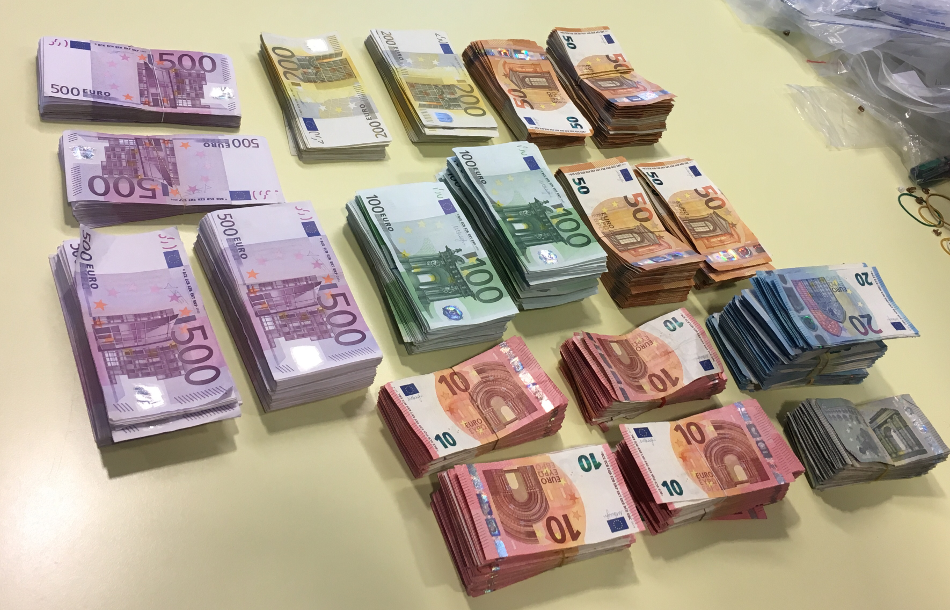
The Dangers of Buying Counterfeit Money
While a portion of the population may think about getting counterfeit money as a fast monetary fix, the threats significantly surpass the perceived benefits. Buying counterfeit currency is illegal and might result in extreme effects, consisting of:
- Criminal Charges: Possessing counterfeit money is a punishable offense in most jurisdictions. Convictions can result in fines, jail time, or both.
- Financial Loss: Buying counterfeit currency often results in loss of funds, as the unlawful notes can not be exchanged genuine currency.
- Economic Impact: Counterfeit money undermines the economy and can cause increased inflation and a decline in currency value.
Legal Implications
In Europe, the penalties for producing or distributing counterfeit currency are rigorous. Under EU legislation, counterfeiting is classified as a major crime. A private discovered guilty of counterfeiting euro notes can face jail time for several years, along with heavy fines. Nations within the EU team up to fight counterfeiting, guaranteeing that those accountable are brought to justice.
Alternatives to Counterfeit Currency
Those seeking monetary flexibility ought to consider genuine avenues instead of resorting to counterfeit money. Here are some more secure options:
- Exchange Services: Utilize reputable currency exchange services to acquire euros legally.
- Bank Transfers: Transfer funds directly through banks to prevent the dangers related to carrying cash.
- Debit/Credit Cards: Most worldwide banks offer cards that permit users to withdraw currency from ATMs worldwide.
- Digital Currencies: Falschgeld Shop Online Explore digital wallet services or cryptocurrency options, which can often use more favorable currency exchange rate.
How to Spot Counterfeit Euro Notes
Awareness is your best defense against inadvertently accepting counterfeit money. Here are essential steps to determine potential fakes:
- Feel the Texture: falschgeld kaufen Genuine euro notes are printed on a special polymer material, providing a slightly rough texture. Counterfeit costs typically feel different or excessively smooth.
- Analyze the Watermark: Hold the note up to the light to verify the watermark exists and recognizable.
- Inspect the Hologram: Tilt the note to see if the hologram shifts images, as it ought to in genuine currency.
- Inspect the Security Thread: Look for the embedded security thread, which need to be constant and not just printed on the surface area.
- Try To Find Color-Shifting Features: Pay attention to the color of the ink and whether it changes when seen from numerous angles.
Regularly Asked Questions (FAQs)
1. What should I do if I get counterfeit money?
If you receive believed counterfeit currency, refuse to accept it and report the event to regional authorities. Do not try to spend or pass it on to another person.
2. How can I report counterfeit currency?
You can report counterfeit currency to police or your local bank. In numerous countries, banks have specific procedures for dealing with suspected counterfeit notes.
3. Exist trustworthy techniques to test currency authenticity?
Yes, different counterfeit detection devices and apps can help in determining fraudulent currency. Reputable sellers frequently use these tools to take a look at costs.
4. Can I get repaid for counterfeit money if I accidentally accepted it?
In many cases, no. Financial organizations generally do not repay clients for counterfeit currency, as it is thought about the recipient's duty to verify currency credibility.
Understanding euro counterfeit money is important in this era of worldwide financing. Awareness of the security functions, legal ramifications, and techniques of verification can assist individuals and organizations secure themselves against the threats associated with counterfeit currency. Engaging in genuine financial practices fosters economic stability and makes sure the stability of currencies such as the euro. Prevent the attraction of fast gains from counterfeit money and choose courses that promote monetary safety and compliance with the law.


