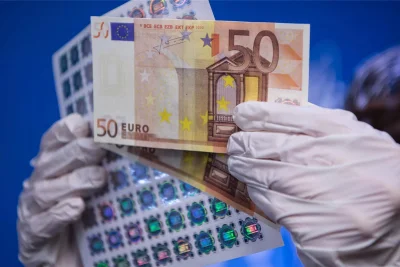
100% Real Counterfeit Money: Understanding the Complex World of Currency Replication
Counterfeit money represents a fascinating, albeit unlawful, element of the modern-day economy. The expression "100% real counterfeit money" is an appealing contradiction that encapsulates the dispute surrounding currency production and legality. While real in the sense that it simulates actual banknotes, counterfeit currency is inherently deceptive. This short article delves into the intricacies of counterfeit money, the science behind its replication, the legal implications, and the ongoing efforts to combat its flow.
The Basics of Counterfeiting
Counterfeiting is the unlawful replica of currency, designed to deceive individuals and institutions into accepting it as authentic. The counterfeiters employ numerous methods and tools to develop notes that closely look like official currency. This practice has belonged of human history for centuries, and with the development of technology, its elegance has actually just increased.
Secret Characteristics of Counterfeit Money
Comprehending how to determine counterfeit notes helps in the battle against this issue. Here are some typical characteristics that help in detection:
Watermarks: Genuine currency frequently features unique watermarks that are challenging to duplicate.
Color-Shifting Ink: Many modern banknotes utilize ink that changes color when viewed from various angles.
Microprinting: Small text that is difficult to see with the naked eye however is present on legitimate notes is often missing or replicated inadequately on counterfeit bills.
Feel and Texture: Genuine money is printed on an unique kind of paper, providing it a specific feel. Counterfeit notes frequently feel different, as they might be printed on regular paper.
Security Threads: This embedded thread is a common security function in lots of banknotes.
Despite these functions, counterfeiters have invented increasingly advanced techniques that sometimes can deceive even precise people.
The Legal Landscape of Counterfeiting
Counterfeiting is a crime in essentially every country in the world. The legal implications can be extreme, including whatever from hefty fines to significant prison sentences. Additionally, legislation is continually adapted to deal with brand-new methods of counterfeiting.
In the United States, for instance, the Secret Service was originally established to combat currency counterfeiting and has actually stayed at the leading edge of this battle. They employ various strategies, including public education, to help residents identify counterfeit money.
Legal Consequences of Counterfeiting
The consequences of counterfeiting can differ based on jurisdiction but typically include:
- Criminal Charges: Most countries categorize counterfeiting as a felony or severe offense.
- Fines: Offenders might be required to pay considerable financial fines.
- Imprisonment: Convictions can cause prolonged jail sentences.
- Restitution: In some cases, counterfeiters may be bought to repay victims.
Counterfeit Money in the Digital Age
With the increase of digital innovation, consisting of 3D printing and advanced graphics software application, the process of producing counterfeit currency has become more available. This technological evolution positions difficulties to police and monetary organizations striving to protect the integrity of international currencies.
Measures to Combat Counterfeiting
In action to these difficulties, financial institutions, federal governments, and law enforcement firms have carried out various protective procedures, including:
Advanced Security Features: Continuous improvement in the security functions of banknotes, falschgeld drucken lassen gefälschte dokumente kaufen darknet; just click the following internet page, including holograms and complex styles.
Public Awareness Campaigns: Educating citizens on how to find counterfeit notes and report suspicious activities.
Cooperation Between Agencies: Cooperation between international law enforcement and monetary entities is essential in locating and prosecuting counterfeiters.
The Role of Enthusiasts and Collectors
Surprisingly, GefäLschte Euro Kaufen while counterfeit money is unlawful, various collectors and enthusiasts focus on the research study of counterfeit currencies as a specific niche hobby. For these people, understanding the history, techniques, online Shop für Falschgeld and artistry associated with counterfeit money can be both instructional and amusing.
Gathering Counterfeit Currency: What You Should Know
For those drawn to the world of counterfeit money as a collector's item:
Legal Implications: It is vital to ensure that the collection does not include possessing counterfeit money that could be misinterpreted genuine currency.
Historical Value: Some counterfeit notes, especially those that are old or produced in limited runs, can have considerable historic value.
Educational Opportunities: Collecting counterfeit currency can supply insights into financial history and the advancement of currency design.
Frequently Asked Questions About Counterfeit Money
Here are some often asked questions relating to counterfeit money:
1. What is counterfeit money?
Counterfeit money is an imitation of currency that tries to reproduce real costs with the intent to deceive and defraud those who accept it.
2. How can I inform if a bill is counterfeit?
To identify counterfeit bills, take a look at the watermark, color-shifting ink, microprinting, and feel of the note, amongst other security features normally provide in real currency.
3. What should I do if I receive a counterfeit expense?
If you believe you have received counterfeit currency, do not attempt to utilize or flow it. Instead, report it to local law enforcement or the pertinent monetary organization.
4. Is it prohibited to have counterfeit money?
Yes, having counterfeit money can lead to criminal charges, including fines and imprisonment. It is vital to avoid any association with counterfeit currency.
5. Can counterfeit money look like real money?
Yes, modern counterfeit money can be quite convincing, typically simulating genuine currency carefully due to advanced printing methods. However, careful evaluation generally exposes discrepancies.
The world of counterfeit money is both appealing and heavily loaded with legal implications. While it represents a major crime that weakens the economy, understanding its dynamics can use important insights into the wider context of currency management and financial stability. People must remain alert against counterfeiting while valuing the historic and technological stories that surround it. Awareness and education are vital in combating this pervasive issue, guaranteeing a safer financial environment for everyone.