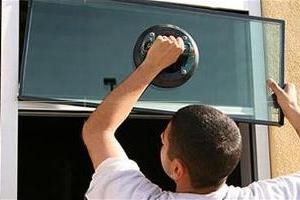
The Comprehensive Guide to Repairing Doors and Windows
Windows and doors are important elements of any building structure, supplying security, insulation, and visual appeal. In time, these components are vulnerable to wear and tear due to different elements, consisting of weather modifications, unintentional damage, and regular usage. Comprehending how to repair doors and windows can be vital for maintaining a home or building's structural stability and total look. This guide intends to provide detailed details on the types of repairs, typical concerns encountered, and detailed processes for effective repairs.
Typical Issues with Doors and Windows
Before delving into repair strategies, it's important to recognize typical problems dealt with by windows and doors. Here's a list of problems that may require attention:
Doors:
- Warping: Caused by humidity modifications, doors may bow or twist.
- Scratches and Dents: Physical impact can leave unwanted marks.
- Sticking: Misalignments or swelling can make doors hard to open.
- Lock Malfunctions: Locking mechanisms may become jammed or broken.
Windows:
- Drafts: Air leaks due to poor sealing or old weather stripping.
- Broken Glass: Damage from effects or extreme weather conditions.
- Foggy Glass: Failure of double-glazed systems, causing moisture accumulation.
- Rodent Damage: Infestations can lead to broken frames or sashes.
Tools and Materials Needed
Before beginning any repair, guarantee you have the essential tools and materials at hand. Here's a practical list:
Tools:
- Screwdriver (Flathead and Phillips)
- Hammer
- Tape Measure
- Level
- Utility Knife
- Caulk Gun
- Pliers
- Sandpaper
- Sculpt
Materials:
- Replacement Glass (if needed)
- Wood Filler
- Weather condition Stripping
- Caulk
- Paint/Stain
- Screws and Nails
Step-by-Step Repair Process
Repairing Doors
Evaluate the Damage
- Observe and determine the type of damage. Inspect hinges, locks, and the door frame for any structural issues.
Repairing Warped or Sticking Doors
- Adjust Hinges: Tighten or loosen up screws on hinges to align the door properly.
- Sand Edges: If the door sticks, gently sand down the edges using sandpaper till it opens efficiently.
Repairing Scratches and Dents
- Wood Filler: Apply wood filler to scratches, let it dry, and sand it flush with the surface. Finish by painting or staining to match the door's color.
Replacing the Lock
- Remove the old lock following the manufacturer's instructions. Set up the new lock by securing it in place with the offered screws.
Repairing Windows
Examine the Window Frame
- Inspect for rot, warping, or instability in the frame. Use a level to guarantee it's square.
Repairing Window Drafts
- Remove Old Weather Stripping: Take off the used stripping with an energy knife.
- Install New Weather Stripping: Measure and cut the new stripping to size, then press it into location.
Repairing Cracked Glass
- If the crack is small, utilizing epoxy might suffice. For substantial damage, eliminate the damaged glass using an utility knife and change it with new glass, securing it with putty.
Addressing Foggy Windows
- If the double-glazed system fails, consider changing the whole system. Consult an expert if the task seems complicated or requires specialized tools.
Maintenance Tips
Regular maintenance can prevent future issues with windows and doors. Some efficient practices consist of:
- Regular Inspections: Check frames, locks, and seals at least twice a year.
- Clean: Remove dirt and particles from frames and sills to avoid serious issues.
- Paint/Stain: Reapply paint or stain every few years to protect wood surfaces.
- Lube: Use WD-40 or a similar item to lubricate hinges and locks for smooth operation.
Summary Table of Repairs
| Repair Type | Tools Needed | Materials Needed | Estimated Time |
|---|---|---|---|
| Repairing Warp/Sticking | Screwdriver, Sandpaper | None | 30 minutes |
| Repairing Scratches | Sandpaper, Wood Filler | Paint/Stain | 1 hour |
| Replacing Locks | Screwdriver | New Lock | 30 minutes |
| Repairing Drafts | Utility Knife | Weather Stripping | 1 hour |
| Changing Glass | Utility Knife, Hammer | Replacement Glass | 1-2 hours |
Regularly Asked Questions (FAQs)
1. How often should I examine my doors and windows?
Routine inspections are advised two times a year to make sure that any prospective problems are determined early.
2. Can I change glass in a window myself?
Yes, if you have the right tools and are comfy with the procedure. However, for considerable damage or double-glazed units, it's recommended to consult a professional.
3. What are the signs that I require to replace my door or window?
Common indications include substantial warping, difficulty in opening/closing, and visible damage such as cracks or large damages.
4. How do I fix a door that will not latch?
Guarantee the lock is lined up with the strike plate. You may need to adjust the hinges or move the strike plate somewhat to achieve correct positioning.
5. Is weather condition removing required?
Yes, weather condition removing is essential for energy performance and keeping a comfy indoor environment, avoiding drafts and moisture from getting in.
Repairing doors and windows is an essential skill for property owners and home managers alike. By comprehending typical problems, getting the right tools and materials, and following appropriate repair strategies, individuals can preserve their home's integrity and longevity. Routine maintenance and timely repairs not only improve the functionality of windows and doors but also add worth to the home. Whether undertaking small repairs or larger repairs, taking the time to do it right can make a considerable difference in the comfort and security of any structure.