


Fascia and Soffit Maintenance: A Comprehensive Guide
When it comes to preserving a home, the significance of exterior components like fascia and soffit can not be overemphasized. These elements not only add to the aesthetic appeal of a residential or commercial property however likewise serve essential functions in terms of ventilation, wetness control, and structural integrity. This short article looks into fascia and soffit maintenance, covering their definitions, functions, common issues, and effective maintenance practices to ensure their durability and efficiency.
Comprehending Fascia and Soffit
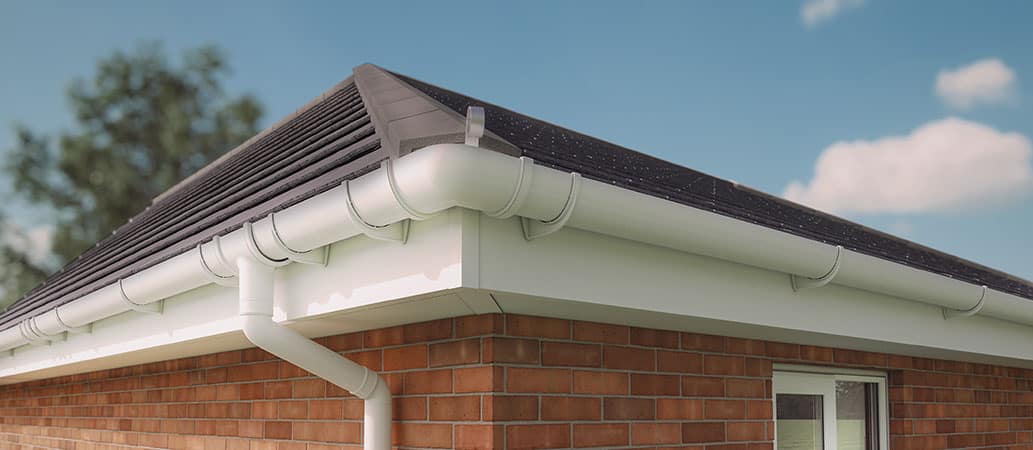
Fascia is the vertical board that runs along the edge of the roofing, typically where the roofing system eaves extend. It holds the gutter system in place and is typically painted to match or accentuate the exterior of the home.
Soffit, on the other hand, is the horizontal board that links the fascia to the home's outside wall. Soffits are typically vented to allow air flow into the attic space, promoting ventilation and preventing heat and wetness accumulation.
Functions of Fascia and Soffit
The primary functions of fascia and soffit include:
- Protection: They protect the attic and roofing system structure from the elements, consisting of rain, snow, and bugs.
- Ventilation: The vented soffit enables proper airflow, which assists to avoid mold and condensation in the attic.
- Aesthetic Appeal: Both fascia and soffit contribute to the general curb appeal of a home, boosting its visual interest.
Common Issues with Fascia and Soffit
Like any part of a home, fascia and soffit can deal with a series of problems that may jeopardize their efficiency. Common concerns consist of:
- Rotting: Moisture and humidity can cause wood rot in both fascia and soffit, damaging their structural integrity.
- Bug Infestation: Insects, like bees, wasps, and termites, may nest in these locations if left uncontrolled.
- Peeling Paint: As weather and time take their toll, paint can start to peel, detracting from the home's appearance and enabling further moisture seepage.
- Gutter Issues: Poorly installed or preserved rain gutters can overflow, resulting in water damage and soil disintegration around fascia and soffit.
- Vent Blockages: Dust, particles, and nesting materials can hamper airflow from soffit vents, resulting in incorrect ventilation in the attic.
Maintenance Tips for Fascia and Soffit
Regular maintenance is important for ensuring fascia and soffit remain practical and appealing. Here are some vital maintenance actions:
1. Regular Inspections
Conduct regular examinations, particularly after serious weather condition, to look for indications of damage or wear. Search for:
- Cracks or splits in the fascia
- Indications of rot or mold
- Loose or drooping areas
- Pest activity
2. Tidy Gutters and Downspouts
Clogged up seamless gutters can result in water pooling, which increases the threat of rotting fascia and soffit. Ensure gutters and downspouts are devoid of particles and working efficiently:
- Remove leaves, twigs, and dirt
- Flush with water to check drain
- Clear any clogs
3. Painting and Finishing
If fascia and soffit are wood, painting or staining them can improve their resistance to moisture and insects:
- Choose resilient, weather-resistant paint or stain
- Repaint every couple of years as required
- Repair any peeling before repainting to ensure adhesion
4. Ensure Proper Ventilation
To prevent wetness accumulation in the attic, ensure that soffit vents stay clear:
- Remove any obstructions brought on by debris or pests
- Clear outside soffit holes to allow appropriate airflow
5. Change Damaged Materials
If any fascia or soffit boards reveal substantial damage or rot, change them immediately to prevent more concerns:

- Use rot-resistant materials like PVC or aluminum
- Speak with a professional for comprehensive damage
6. Professional Inspection and Repairs
For any significant concerns, such as pest problems or severe structural concerns, get a professional for an extensive maintenance:
- Schedule an annual professional inspection
- Address concerns promptly to prevent costly repairs later
Table: Maintenance Checklist for Fascia and Soffit
| Maintenance Task | Frequency | Notes |
|---|---|---|
| Visual Inspection | Month-to-month | Try to find damage, rot, and bug activity |
| Tidy Gutters | Bi-annually | Ensure efficient water drainage |
| Paint/Stain | Every 3-5 years | Use weather-resistant products |
| Clear Soffit Vents | Yearly | Avoid airflow obstructions |
| Replace Damaged Sections | As needed | Usage rot-resistant products |
| Professional Inspection | Each year | Seek advice from an expert for major concerns |
Frequently asked questions About Fascia and Soffit Maintenance
Q: How frequently should I inspect my fascia and soffit?A: It is recommended
to inspect these functions monthly, particularly after severe weather conditions. Q: Can I paint fascia and soffit myself?A: Yes, numerous homeowners select to do this themselves. However, guarantee you follow appropriate security measures and select weather-resistant paint for long lasting outcomes. Q: What must I do if I discover rot on my fascia?A: If the damage is very little, you might have the ability to
repair it with wood filler or epoxy. For substantial damage, replacing the affected area is suggested. Q: How does bad ventilation impact my attic?A: Poor ventilation can result in moisture buildup, which can trigger mold growth, structural damage,and increased energy costs due to ineffective cooling and heating. Q: Are there any products that are better matched for fascia and soffit?A: Yes, vinyl, aluminum, and treated wood are popular choices due to their durability and resistance to
rot and insects. Maintaining fascia and soffit is vital for protecting the integrity, safety, and aesthetic appeal of a home. Routine inspections, cleansing, painting, guaranteeing appropriate ventilation,
and professional interventions when necessary can substantially extend the life of these essential parts. Property owners should stay proactive in their maintenance efforts to prevent pricey repairs and guarantee their homes stay secured from the elements.


